
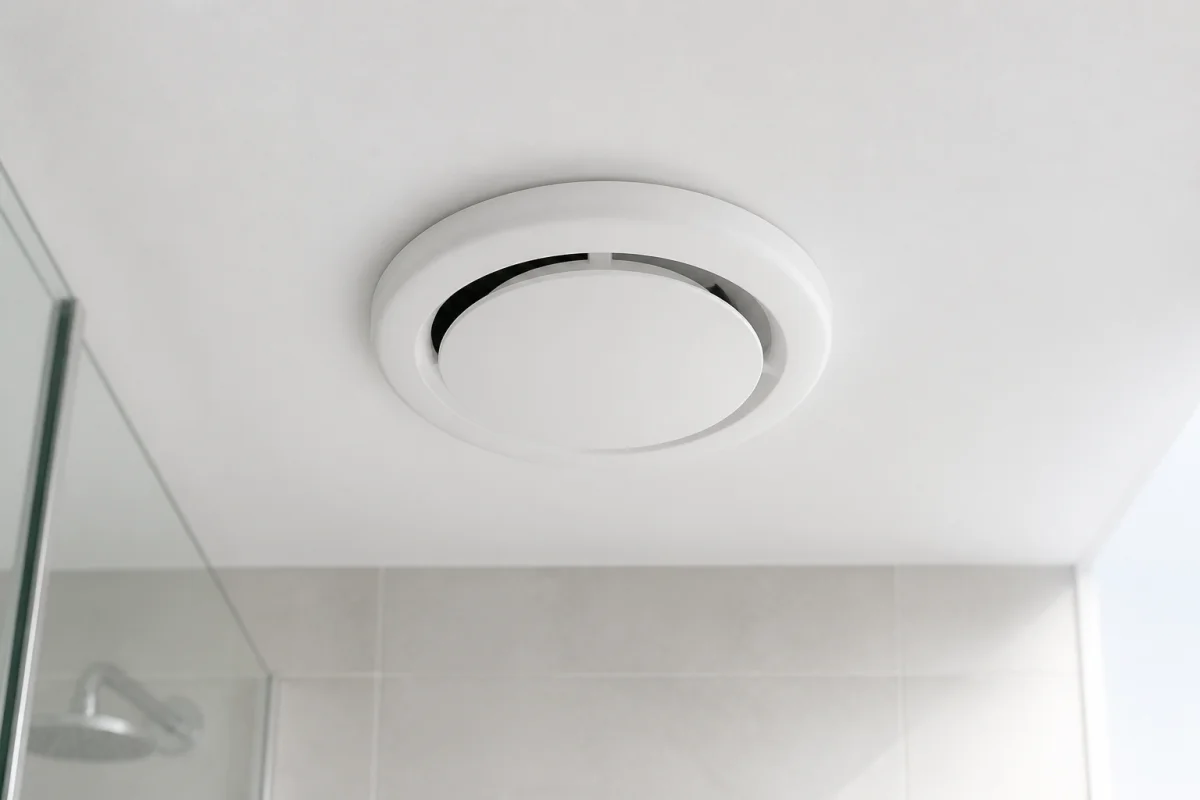
They sit there in the bathroom, the kitchen, up on the ceiling, and almost no one ever looks at them. Extractor grilles and ventilation filters gather dust and grease for months, until they stop working properly. As summer ends, and before the windows start staying shut, this is the moment to clean them: they affect the damp, the air quality and the running costs alike.
Why they clog, and why it matters
Whether it is a simple extractor fan in the bathroom and kitchen or a whole-house heat-recovery system, the principle is the same: stale, damp air is pulled out and replaced with fresher air. But dust, cooking grease and moisture gradually clog the grilles and filters. A blocked vent extracts less, and the moisture that should be leaving stays in the house, feeding condensation on the windows and mould in the corners, right in the season when you air the place least.
The effect on your bills
A system fighting the resistance of dirty filters works harder to move the same air. In a heat-recovery ventilation system, clogged filters raise the fans' consumption and cut the heat recovery, so colder air comes back in through winter and the heating has to work harder. It is not the biggest line on the bill, but it is a quiet, easily avoided waste that adds to the rest of the home's usage. Our guide to energy efficiency covers where ventilation fits into the wider picture.
How to clean them, in practice
For bathroom and kitchen extractors, switch off the power, take off the cover, wash it in warm soapy water and wipe any blades you can safely reach. For a heat-recovery system, the filters should be checked every three or four months and cleaned or replaced as the manufacturer directs, a simple job that rarely needs an engineer. A simple sign it is overdue: if the bathroom fan is noisier than usual or the mirror stays fogged long after a shower, the grille is almost always clogged. The task is worth double at the end of summer, after months of open windows, pollen and dust.
Better air, a healthier home
Beyond the saving, the bigger prize is a healthier home: efficient ventilation cuts humidity, smells and indoor pollutants, from cooking fumes to the compounds given off by furniture and cleaning products, and holds off the mould that appears once autumn airing tails off. In a well-insulated home, where the air barely changes on its own, that matters more still. Clean vents are one of those small maintenance habits that improve comfort at no cost, in the spirit of everyday saving electricity: making what you already have work well, rather than using more.