
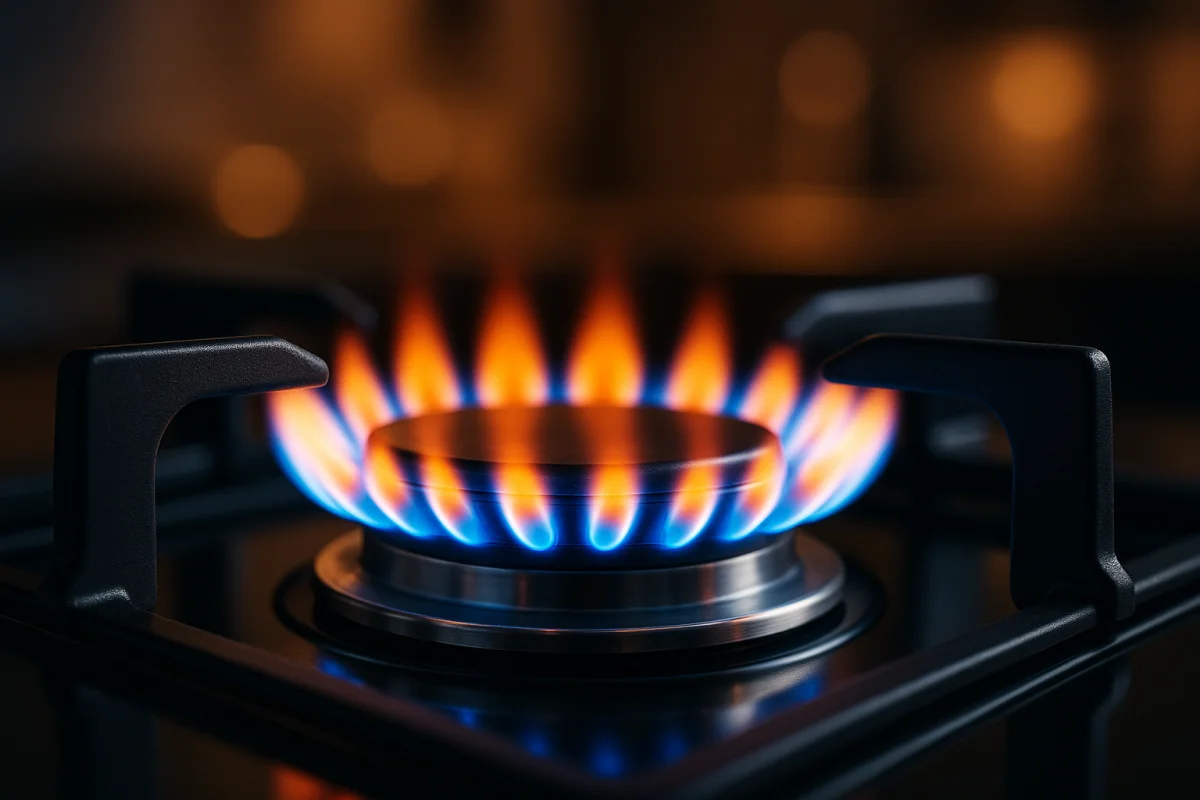
A costly run-up to winter
British households know the pattern well. As the nights draw in and the heating goes back on, gas becomes the biggest line on the energy bill. This year the pressure is building earlier than usual. Wholesale gas prices have turned sharply higher heading into the autumn, and that feeds straight through to what families will pay over the coldest months.
What the price cap sets today
For most homes on a standard variable tariff, Ofgem's price cap sets the unit rates. Under the cap running to the end of September, the headline figures are:
- electricity at 26.11p per kWh, with a daily standing charge of 57.19p;
- gas at 7.33p per kWh, with a daily standing charge of 29.04p.
The cap limits the price of each unit, not the total bill, so a colder winter or higher usage still means paying more. The next update, covering October to December, is due from Ofgem in late August. Cornwall Insight, whose forecasts track the market closely, expects the cap to rise by around 4% from October, pushing a typical annual bill higher again at a time when many households are already stretched.
Why gas is getting dearer
The main driver sits well beyond Britain. The closure of the Strait of Hormuz in July 2026, a key route for liquefied natural gas, cut flows toward Europe and sent LNG cargoes to Asia, where buyers were willing to pay more. European gas stores were only a little over half full in early August, among the lowest levels for the time of year in more than a decade. Less gas in storage and stiffer competition to secure it tend to show up quickly in the price households pay.
What it means for your bill
Because gas also sets the price of much of Britain's electricity, a rise in wholesale gas tends to lift both fuels. Homes that heat with gas will feel it first, as the boiler starts working harder from October onward. The exact figures will depend on how cold the winter turns out and how much energy each home uses, so two houses on the same tariff can still end up with very different bills.
How to soften the blow
There is little any single household can do about global gas markets, but the basics still count. Knowing how your energy bill works, checking the standing charges as well as the unit rates, and cutting waste from heating are the steps that make the most difference. Understanding how wholesale prices feed into your bill is the first step to keeping it under control through the winter.