
What the Met Office has actually said
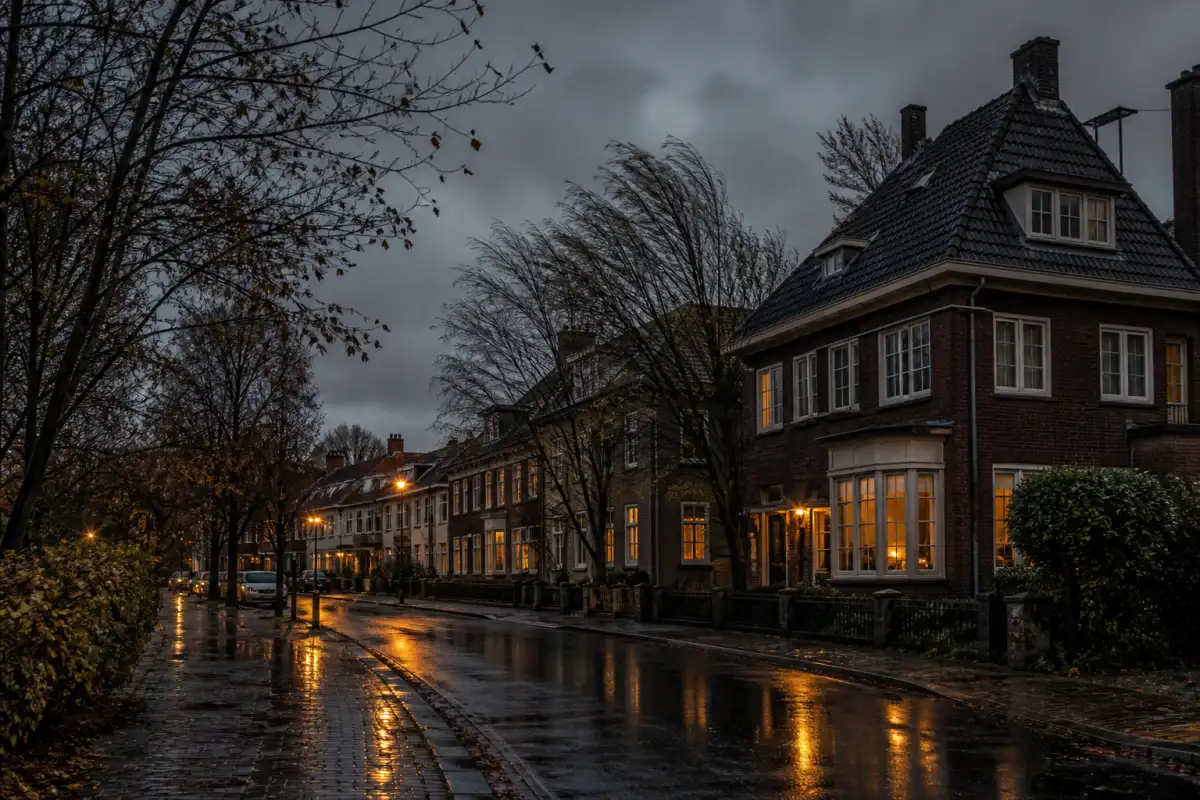
The Met Office expects a wetter and stormier autumn and early winter across north-western Europe, the UK included. Its long-range outlook points to a higher chance of rain and unsettled spells from November onwards. This is a broad trend rather than a day-by-day forecast, but it is a clear steer for the months ahead.
Behind the signal is an unusually strong El Niño. Sea surface temperatures are forecast to climb by more than 3°C, which the Met Office calls the largest such event on record. Professor Adam Scaife, who leads its long-range forecasting, called it "an unprecedented event" and said he had "never seen an El Niño signal this intense in our forecasts".
Why a wetter autumn will not fix the drought
Here is the twist. More rain is on the way, yet it may not be enough to end the drought before December. The Met Office warns that dry ground could persist into the new year even with unsettled weather.
Rain that arrives in heavy bursts tends to run off hard, parched soil rather than soak in, so reservoirs and groundwater recover slowly. A wet October headline does not automatically mean full reservoirs by Christmas.
What stormier weather means for your energy
Stronger winds and named storms raise the odds of power cuts, especially the short local ones that happen when overhead lines come down. A little preparation goes a long way once the first named storm is on the map.
- Save your supplier's emergency line and the free 105 number before you need them: hunting for a phone number in the dark is the last thing you want.
- Keep a torch and a charged power bank to hand: a short outage is far easier to sit out with a light on and a phone that still works.
- Do not rely on your phone torch alone through a long outage: it drains the one device you need to call for help.
- Do not leave garden furniture and loose items out in a named storm: they become projectiles in strong gusts.
Good to know: if the power goes out, call 105 free from any phone to reach your local network operator, day or night. It is a separate service from your energy supplier, and it is the right number when the lines themselves are down.
When the cost of heating a home really climbs
Whatever the winter holds, the cost of running a home climbs from October. That is when the electricity prices households pay tend to rise, the Ofgem price cap resets for the colder quarter, and shorter, darker evenings simply mean more hours of heating and lighting.
The outlook does not promise a mild winter or a harsh one, so how much you spend still comes down to your home, your tariff and the weather that actually turns up. In the mild autumn before the central heating goes on, many of us reach for a plug-in electric heater, which happens to be the priciest warmth there is.
The lesson is simple: plug-in electric heaters are the most expensive way to keep warm, several times dearer per unit of heat than gas central heating at roughly 7p a unit. They are handy for taking the chill off one room on a mild October evening, but leaning on them all autumn is how bills creep up before winter has even arrived.
Sensible steps before the heating goes on
A wetter, windier season is a good prompt to get ahead of your bills. A weekend of small jobs now pays back across the whole heating season.
- Bleed your radiators so trapped air escapes: if the top stays cold while the bottom is hot, the system works harder than it needs to.
- Book a boiler service before you rely on it: a well-kept boiler runs more efficiently and is less likely to fail on the first cold snap.
- Draught-proof doors and windows with self-adhesive strips: it is the cheapest job on this list and one of the most effective.
- Set your thermostat and timer to your real routine, turning the heating down overnight and when the house is empty rather than switching it on and off all day.
From there it helps to know where the money goes. Our guide to how your energy bill is put together explains the standing charge and unit rates, and there are plenty more ways to cut your electricity use that add up over a long winter.
A word of caution on seasonal forecasts
Seasonal outlooks deal in probabilities, not promises. They tell you which way the odds are leaning over weeks and months, not whether a given weekend will be wet.
Treat the wetter, stormier signal as a reason to prepare, not to worry. Keep an eye on the five-day forecasts as autumn sets in, and let the long-range picture guide the bigger calls about your home and your heating.