
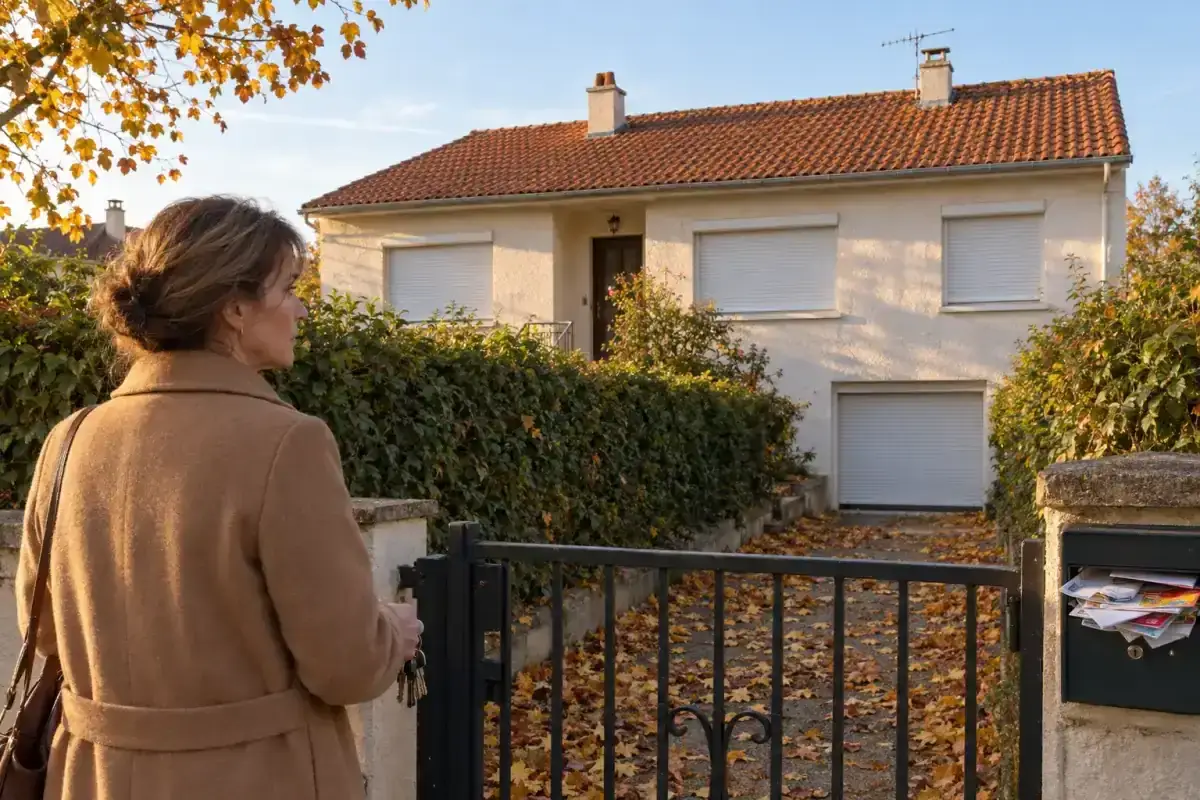
After a parent dies, their house often sits empty for months: the furniture still in place, the post piling up, the heating ticking over. Among the dozens of bills to sort out, the home insurance is easy to forget, or to cancel in a hurry.
Both reactions can be expensive. Here is what happens to the policy, who pays for it, and the clause that decides whether a burst pipe in January is covered.
The policy does not simply die with your parent
When someone dies, their property passes to the estate, managed by the executors named in the will or by administrators if there is none. The house still needs insuring, and until the estate is wound up, paying the premium is the executors' job, from the estate's money.
Most insurers will keep the existing policy running for the estate once they are told about the death, sometimes for a set period, sometimes on new conditions. Others will ask you to move to a specialist policy. What none of them can do is cover a risk they have not been told about.
The government's Tell Us Once service informs public bodies such as HMRC and the DVLA, but not insurers. You have to contact the insurer yourself, with the policy number and a copy of the death certificate.
Cancelling is possible, but an uninsured house puts the whole estate at risk
Executors can cancel a policy, but the estate stays responsible for the house. A leak flooding the neighbours, a slate falling on a passer-by or a break-in would be paid from the inheritance, before anyone gets their share.
Probate itself takes time. In England and Wales the application fee is £526 for estates worth more than £5,000, and the house usually cannot be sold until the grant is issued. An empty property through a winter faces several risks at once:
- Frozen and burst pipes in a house with the heating off.
- Break-ins, made easier when curtains stay closed and post piles up.
- Squatters or vandalism in a property clearly left alone.
- Damage to neighbours, from water or a loose roof, that the owner is liable for.
An empty house for months: the clause to read before the first claim
The Financial Ombudsman Service notes that most home policies stop covering certain events once a home has been unoccupied for a set time, usually 30 or 60 days. Theft, malicious damage and escape of water are the covers that switch off first, which are exactly the risks of an empty house.
The ombudsman reads "unoccupied" in the way most favourable to the customer when a policy does not define it, and a house visited regularly may still count as occupied. It also expects insurers to pay when damage happened within the first 30 days. But it is unlikely to help where a property was simply abandoned.
Take Sarah, 54, a medical secretary in Leicester with two brothers. Their mother dies in November 2025. Ten days later, Sarah tells the insurer the house is empty; it keeps cover going on condition that the heating stays on low and someone visits weekly, and the £480 premium is paid from the estate. In January 2026 a pipe freezes and bursts, causing £7,200 of damage. The insurer pays £6,900 after a £300 excess, or £100 for each of the three children. Without cover, each would have lost £2,400.
Tell, pay, switch: the order of the paperwork
The steps are the same whether you are the executor or one of several heirs agreeing on what to do.
- Call the insurer within days, give the date of death and say plainly whether the house is now empty.
- Agree who pays the premium: the executors from the estate account, or one heir to be reimbursed from the estate later.
- Write down the conditions the insurer sets, such as heating, visit frequency or draining the water system, and keep to them.
- Arrange unoccupied property insurance before the old policy ends, if the insurer will not continue it.
If your parent rented, the job is simpler: the landlord insures the building, and only a contents policy needs handling until the home is cleared. For owners, our guide to buildings insurance explains what the cover protects. Keeping the house insured until it is sold or shared out is the cheapest protection the estate can buy.