
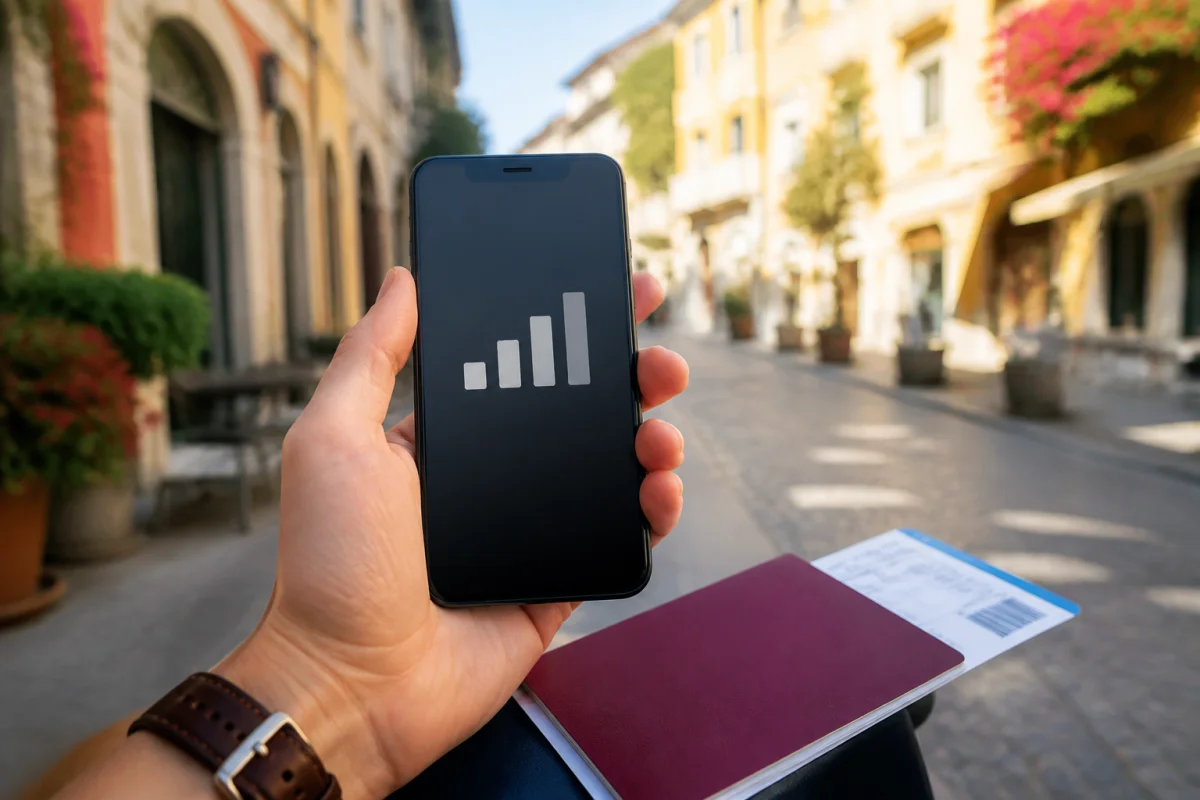
For a few years, taking your phone to Spain or France felt no different from using it at home: your minutes, texts and data simply worked, at no extra cost. That was the EU "roam like at home" rule, and it was one of the perks that quietly fell away after Brexit. Networks were no longer obliged to include EU roaming, and most of the big ones have since brought back a charge for using your allowance abroad. If you are flying off this summer, it is worth knowing where you stand before you land.
Why roaming charges came back
Under EU rules, roaming across member states was included in your plan at no surcharge. Once that obligation no longer applied to UK providers, the door was open to reintroduce fees, and one by one the major networks walked through it. The charge is not a return to the horror-story bills of a decade ago, but it is a real cost that many travellers only discover on the first day of their holiday. The detail varies from network to network, so the golden rule is to check yours before you go rather than assume.
Which networks charge, and how much
Broadly, most of the big providers now apply a daily fee of around £2 to use your UK allowance in the EU, billed for each day you actually use your phone abroad. Some networks still include EU roaming at no extra charge on certain plans, so it is not universal, and the fair-use data cap and the exact list of included countries differ in every case. Two things matter most: whether your particular plan carries a daily charge, and how many days your trip will realistically trigger it. A fortnight away at £2 a day is around £28 you may not have budgeted for.
The daily-pass trap
A daily roaming charge sounds harmless until you notice how it is counted. The fee is usually triggered the moment your phone connects abroad, even if you only glance at a map or receive a single message. Leave data roaming switched on in the background and you can be charged for a day you barely used the phone at all. On a trip that hops across a border, or a cruise that drifts into non-EU waters, you can also stray outside the "pass" zone into far pricier standard roaming without realising.
How to avoid a surprise bill
A few simple habits keep the cost down:
- Turn off data roaming in your phone's settings and lean on Wi-Fi at your hotel or cafe, switching mobile data on only when you genuinely need it;
- weigh your network's roaming pass against a travel eSIM, which loads a local data plan without swapping your physical SIM and often works out cheaper on data-heavy trips;
- turn on Wi-Fi calling so calls and texts to UK numbers go over the internet rather than the mobile network;
- rein in what your apps use in the background; our guide to cutting your mobile data use is just as handy on holiday as it is at home.
The two-minute check before you fly
Before you head to the airport, open your network's app or website and confirm three things:
- whether your plan includes EU roaming or charges a daily fee;
- what the fair-use data cap is;
- exactly which countries are covered.
Then decide your approach (pay the daily charge, buy a travel eSIM, or keep data roaming off and rely on Wi-Fi) and set your phone accordingly before you leave. Two minutes now is what stands between a relaxed trip and an unwelcome text on arrival telling you the meter is running.