
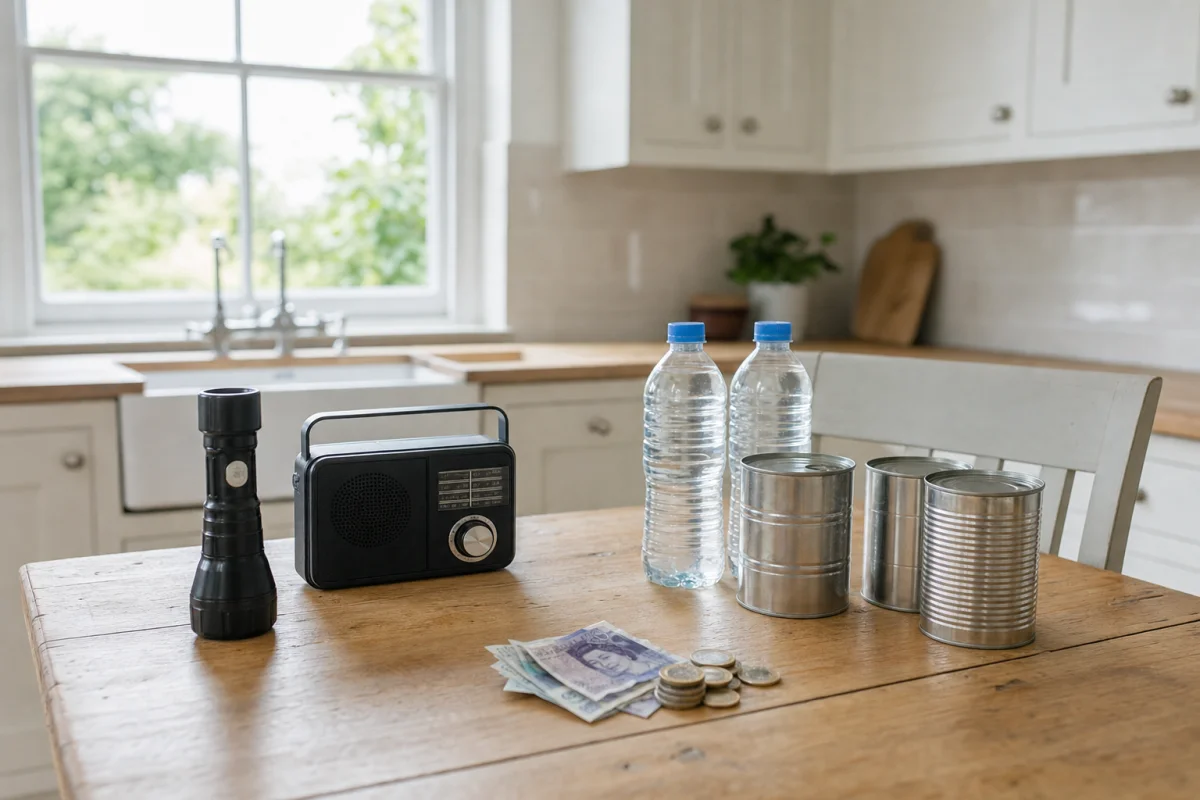
The average cash machine withdrawal reached £106.20 on Friday 31 October, a level only ever beaten on Christmas Eve, according to figures from LINK reported by The Independent. It came days after the government told households to keep some cash at home, without saying how much.
Cash machine withdrawals hit a record after the Be Ready advice
The Cabinet Office published its Be Ready advice on 22 October 2026, the first stage of a three-year campaign. The average withdrawal over the last week of October was £100.78, against £94.69 a year earlier. It was the first weekly average above £100 outside Christmas, according to the same LINK figures reported by The Independent.
Graham Mott, LINK's director of strategy, told The Independent that bad weather kept many people away early in the week. Those who did reach a cash machine took "considerably more than average", he said. On 22 October itself, £205m was withdrawn, 3% more than the £200m of a year earlier, according to the same figures.
LINK says around £1.5bn is withdrawn from its network every week, and that cash machines are well stocked to meet demand.
How much cash should you keep at home?
The government names no amount. Its Be Ready checklist asks for a mix of coins and notes, and says the sum depends on your family's needs for essentials. LINK's chief executive, John Howells, suggests keeping around £50 per adult and £25 per child.
The figure is based on similar checklists from other European countries. It adds up to modest sums:
- One adult: around £50.
- Two adults: around £100.
- Single parent with one child: around £75.
- Two adults and two children: around £150.
In a LINK survey from March 2026, 17% of people said they already had a stash of cash at home.
How much can you take out of a cash machine in a day?
Default daily limits at the big banks mostly sit between £250 and £500, rising to £800 at Lloyds and £1,000 or more on premium accounts. A £150 household sum sits inside every limit in the table, so most families could take out the whole amount in a single visit.
Source: each bank's help pages, checked on 3 November 2026. Limits vary by account and can change.
Barclays lets customers change the limit in its app under "Card limits and controls", and Santander can lower it to £0 or £60 on request. Check your own bank's app or help pages. To compare banks, see our guide to UK banks.
What are the other ways to get cash?
A cash machine is not the only option: shops, Post Office counters and banking hubs can also hand out cash. Most withdrawals cost nothing: LINK says around 95% are free of charge. Where a machine or shop does charge, the fee appears on screen before you go ahead.
- Cash at the till: a participating shop can give you cash with no purchase, from 1p up to £50. Some stores charge, and the fee shows on screen with an option to cancel. Our cash at the till explainer covers how it works.
- Post Office counters: Lloyds customers can take up to £300 a day, free, and Nationwide customers up to £500 a day.
- Free cash machines: LINK counts 33,699 free-to-use machines at the end of 2025 and around 8,700 that charge. Its Cash Locator finds the nearest free one.
- Banking hubs: LINK, which assesses bank branch closures, has recommended 283 banking hubs.
Under Financial Conduct Authority rules in force since 18 September 2024, banks and building societies must review local cash access when a branch, cash machine or Post Office closes. Residents can also trigger a review with a cash access request. Any significant gap must then be filled.
Is cash kept at home covered by insurance?
It can be, but only up to a limit. Some home insurance policies cap the cash they cover in the home at around £750. A household stash of £150 would sit well below that. The limit varies from one insurer to another, and only your own policy schedule tells you what applies.
As examples, Santander Home Insurance lists "personal money in the home" at £750, and first direct's summary of cover lists "money in the home" at £750.
The Be Ready checklist tells households to "check the right insurance is in place for your home". It also suggests keeping copies of key documents, including insurance policy details, with the emergency kit.